
3 T’s: Is Your Infrastructure Strong Enough For Growth?

Published by Daniel A. Dahlen on
Chaos.
In an earlier post on this blog, I mentioned how without systems for your small business, you’re going to run into constant cycles of chaos.
There are some cases where markets aren’t as dynamic or move at a slower pace, but for most small businesses there can be an endless loop of fending off chaos across different areas as things progress.
These can often be good problems to have — growth naturally means stretching processes to their limits and systems will need to have some time to adjust or flex to accommodate the extra activity.
Along with systems – which are vital as things pick up – your small business’ infrastructure lays the groundwork needed for those systems to function properly.
The question then becomes: how robust is your infrastructure?
Do You Have An Infrastructure?
For many small businesses, the owner often wears a lot of hats – from phone handling to sales to support, and everything in between.
That means most of the infrastructure is built and goes through the owner — “all roads lead to Rome”, so to speak.
In the very early stages of a small business when activity isn’t as high, this can be manageable for the most part.
Over time, though, that infrastructure needs to be split out into different areas — not only for growth, but for sanity’s sake.
Building a stable infrastructure is something that I’ve not only done myself (more stories coming soon), but watched many small businesses develop over the years.
Here are my 3 “T’s” of developing an infrastructure you’ll need to support your systems.
Tech
We’re in 2026 now, which means technical infrastructure ( phone, texts/messaging, email, web and software ) can be critical for most areas of a business.
The options for choosing different technical pieces are virtually endless — not all setups are right for every business, however, so careful consideration has to be made to make sure it fits your particular small business systems.
This layer of infrastructure largely forms the backbone of day-to-day management (and helps you track things through your metric stack), so it’s especially important to opt for solutions that can handle (and grow with you).
Training
With the tech in place, now we’ll turn to something that often gets overlooked (especially during rapid growth situations) – training.
While tech is becoming more equipped to support many different areas of a business, for most small businesses, you’ll most likely require the help of humans to help run your systems through that tech.
As you have your own customized systems and protocols for performing your work, this means developing a thorough training program is essential for getting them up to speed quickly (and setting them up for success).
Without proper training you’ll likely be throwing them “into the wild” and hoping they catch up on their own — not a great situation for either you or your trainee.
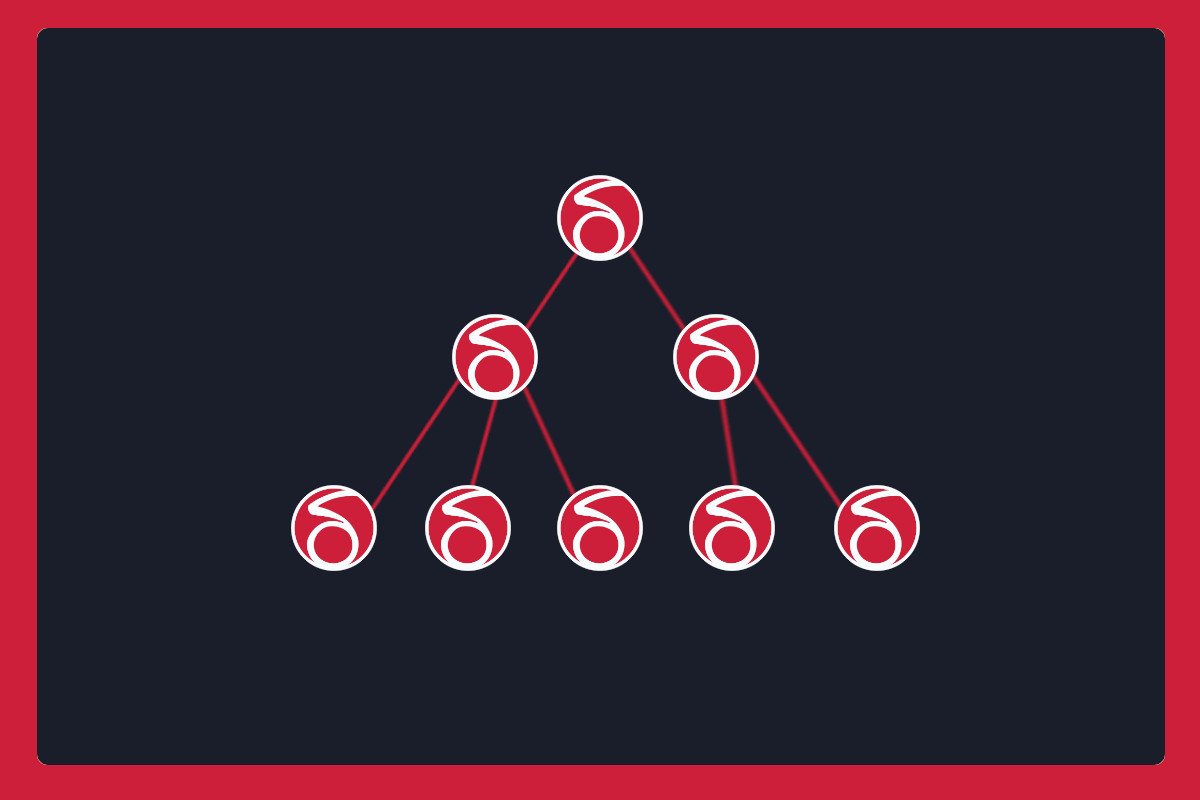
Identifying roles and hierarchy is a great first step in developing your training program. Over time, as folks rise in your small business they’ll be able to run (and update) the training for roles underneath them in the hierarchy (and so on).
(Defining roles & a hierarchy also allows you to map out your budget for paying them as well – something for you to work with your accountant on as you plan your growth.)
Talent
Finally, recruiting the talent to fill those roles becomes the next challenge.
Early in my career I picked up on the fact that recruiting is just another form of marketing – instead of leads, you’re attracting talent.
The better your recruitment marketing, the better (and perhaps more qualified) the talent you’ll have to fill those roles.
Assembling a team can be easy – assembling the right team for your small business is the challenge.
The question becomes: who you do you want to bring with you as you grow?
This Is Simplified, But Should Point You In The Right Direction
As mentioned, I’ve watched many small businesses build things up from scratch – solo founders to dozens of employees and everything in-between. Every one of them faced different challenges and had different ways of developing their infrastructure. Regardless of the simplified framework above, it goes without saying that infrastructure shouldn’t be overlooked for too long.
Infrastructure supports systems, systems support growth. Growth gets you closer to your goals and long-term dreams for your small business.
Ramping up your digital marketing on a weak infrastructure or systems setup will undoubtedly create more chaos, missed opportunities – and stress – than it would if those were a bit more developed.
I’ll leave you with a quick task today – evaluate the three “T’s” above in your small business and ask yourself: are these areas strong enough to handle the growth I want?