
Do You Know Your (Demand) Rhythms?

Published by Daniel A. Dahlen on
With spring coming up quickly, it’s often the time when demand rhythms start to shift for many industries.
Demand, of course, is the desire & ability to purchase (or hire) a particular product (or service). This demand can happen organically – which is then captured through various channels, or it can be generated through content and other means to create awareness about those products & services (and the problems they solve).
For many industries (especially for local small businesses), the relative organic demand can go into cycles throughout the year – something if you’ve been in a business or industry long enough, you likely are aware of.
And if you’ve been following along on this blog, you know how building – and maintaining – momentum throughout the year can be important for being in the right places, at the right times during those peak demand cycles.
Without acknowledging and understanding these cycles, it’s easy to feel vulnerable during different times of the year.
For most industries, it’s simple common sense — but for others it can be difficult to see, especially if you don’t have a clear alignment with a particular market.
Look At Past Lead & Sales Data (Your CRM)
If you’ve done a good job tracking your data (especially with a CRM), this would be a good place to start looking for different patterns.
This obviously can vary depending on your various digital marketing initiatives and sales activity, but often it’s easy to see clusters of incoming leads or increases in sales during different times of year.
Especially if you have a strong search presence, it should be really clear to see these clusters.
Your CRM will have the best data for this – it will represent real leads, calls, and other important sales data.
Recent Trends & Other Variables
With a relative sense of more broad/annual trends, it’s often also good to look at more recent trends or patterns.
If you’ve been in business long enough, you know that things can change from year-to-year, so having some comparisons to look at can help you identify any recent trends you might need to keep an eye on.
Things like weather, adjacent/related markets (often real estate), national events, regulations, population changes/shifts, competitive landscape and other macro-level variables can often come into play when analyzing different demand trends.
As you can imagine, this can get as complicated or simple as you want to make it, but identifying the most important factors is often a good place to start.
Setting (Reasonable) Expectations
Once you have a good handle on your industry’s broader demand patterns, recent trends and other variables that can affect those things, it becomes easier to set reasonable expectations for your small business.
It also becomes easier to chart a course for different digital marketing initiatives throughout the year.
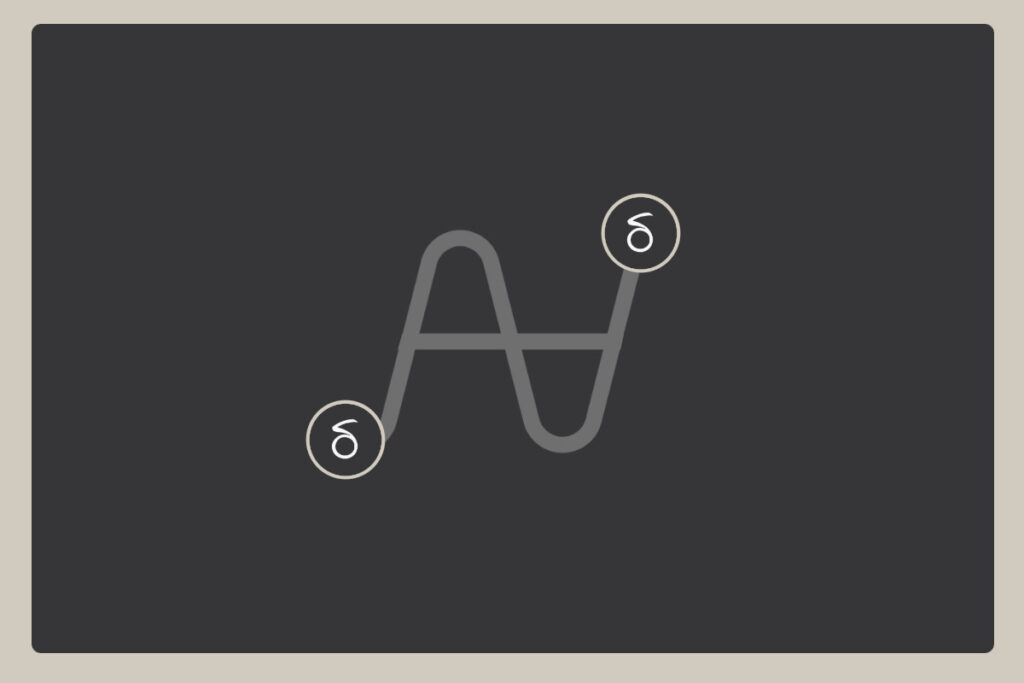
Without understanding these cycles, it can feel like a roller-coaster – one that can ebb and flow between calm and chaos.
Getting out in front of these patterns can often lead to more aggressive, increased growth – or more modest, sustained stability – whichever you choose and what you really want for your small business.