
Fundamentals: Where Do Your Leads Come From?

Published by Daniel A. Dahlen on
“How did you hear about us?”
If you’ve called or contacted your favorite business about a service or product, you’ve likely heard them ask this question at some point in the interaction.
While there are very sophisticated, modern ways of identifying exactly how leads learn or find out about your small business, asking this very simple question to new leads and prospects can often reveal quite a bit about your marketing efforts.
Knowing where leads (and eventual revenue/profit) originate from helps give you a “finger on the pulse” of the effectiveness of your marketing investments.
“Lead source” is referred to as “attribution” in marketing lingo — essentially attributing the primary source of where leads come from across your marketing channels.
While this might not seem important early on, as you’ll see below it’s vital for understanding what is driving real business outcome metrics from your larger metric stack as you develop and grow your small business.
Asking About Lead Source Gives You Two Types Of Answers
As mentioned above, directly asking your leads and prospects where they found you can often reveal different things about your marketing efforts.
I’ve found that it typically reveals two things: either the last place they noticed you – or – the most important place they remembered seeing you.
In most cases they’ll tell you the very last place they looked or found you – this is important because it reveals where you might be the most relevant – search, social, forums, word of mouth/referrals and so on.
There are many schools of thought when it comes to attribution modeling, but another thing this can reveal is the most important place they remember or found you.
This is especially the case where you can’t see any data — no form entries, no call clicks, no data trail that can be used to triangulate a source – the source may be more of an accumulation of different marketing efforts, so attributing it to a lone source isn’t always feasible.
Learning more about these kinds of lead sources (where there is no direct attribution line) can help you determine a holistic sense about your overall marketing efforts, essentially.
If You’re Small, Keep It Simple
Attribution can get incredibly complicated.
Perhaps even more so in the digital world, where AI/LLMs are now both skewing analytics and cutting off usual digital trails, more sophisticated attribution models are developed – most of these require massive amounts of history and data to make them accurate.
The advantage of being small, however, is that you typically have the time to directly ask each lead and keep a running count in your CRM or other lead tracking system.
Simple systems tend to scale better, so remember the KISS principle here: Keep It Small & Simple when it comes to evaluating lead source.
As You Invest More In Marketing, The More Consistent Your Attribution Systems Need To Get
As you grow and invest more into marketing, you’ll need better and more consistent (and somewhat automated) ways of tracking different lead sources.
If you’re getting more than 15 or 20 leads per day, manually asking and tracking those sources can get cumbersome for even the most efficient operator, so leveraging the more sophisticated methods mentioned above becomes more feasible (as you’ll naturally have more data to feed into the models).
Digital attribution can and does help with this, as much of the tracking happens in the background — with proper setup and fine tuning, of course.
Leads Don’t Always Take A Direct Path
Let’s say someone notices your vehicles on the road or different signage around their location.
They may not always have a need for your service or product, but over time they frequently see your presence — that slowly accumulates.
Should they have a need or desire for what you’re offering, they may choose to search for you directly or otherwise find your contact information.
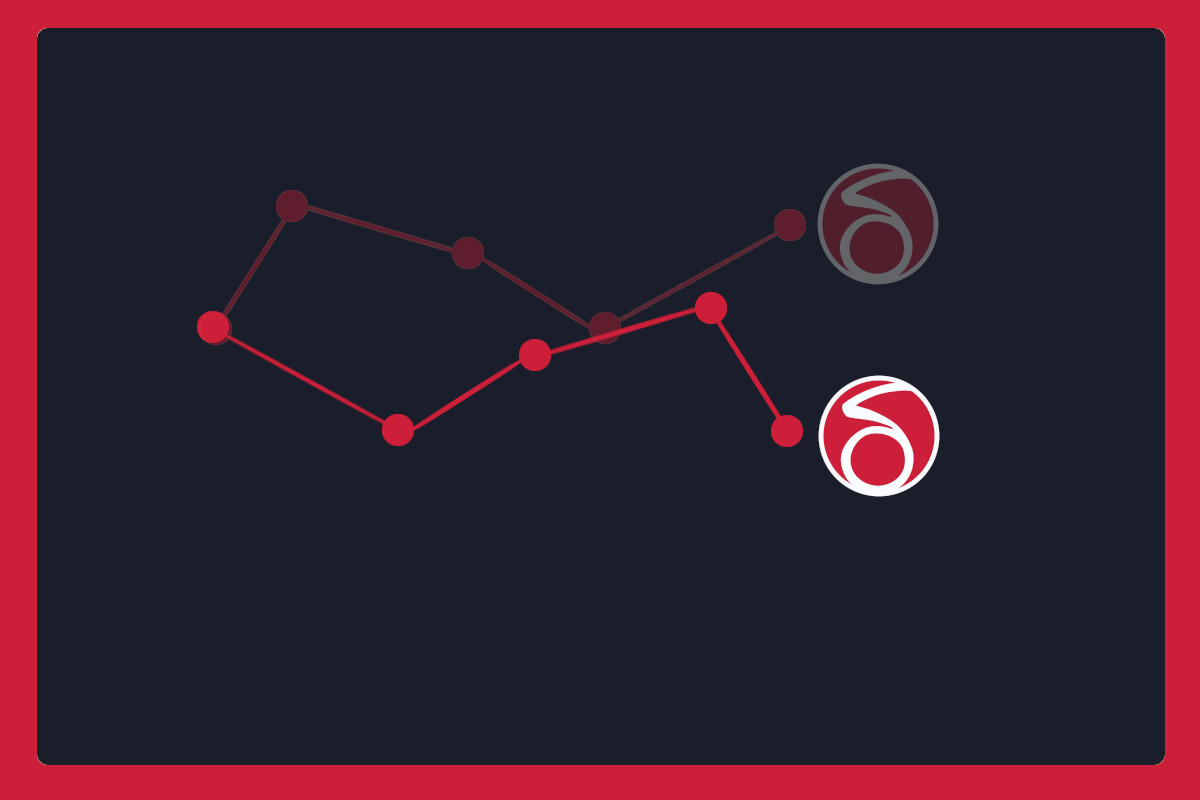
Whatever that last touch point was often gets the attribution for the lead source, but it was that slow, steady work across different channels that accumulates over time that causes them to reach out.
There are ways of evaluating this – even with the noise we have online, but the example above shows that there’s often a mixture of sources for any given lead, so even with the precision we get with some channels there’s still some fuzziness in the data.
Use Logic, But Start Measuring If You Haven’t Already
Very often small business owners develop a “feel” on where leads come in — while this offers some clues (especially early on), the more you quantify lead sources, the more efficiently you can invest in different channels (search, social, etc.).
When you think back to the leads you received last week, last month, last quarter and last 12 months, ask yourself where – exactly – did they originate from (and which channels were the most valuable for your small business)?